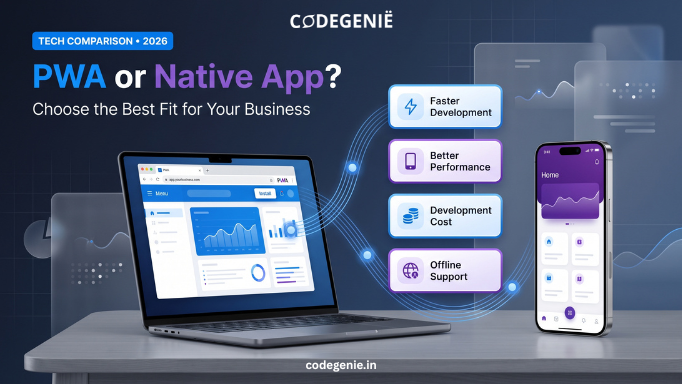
The mobile and web application industry is evolving faster than ever. Businesses across industries are shifting toward digital platforms to improve customer experience, streamline operations, and boost revenue. If you are planning to build an app in 2026, you are already moving in the right direction.
However, app development today is not just about creating features — it is about building scalable, secure, user-friendly, and future-ready digital products.
Before you start investing time and budget into app development, here are the most important things you must know.
Why Businesses Are Investing in Apps in 2026
Digital transformation is no longer optional. Businesses that adapt to technology grow faster and serve customers better.
Here’s why mobile and web apps are becoming essential:
Customers prefer digital convenience
Apps improve brand visibility and engagement
Automation reduces operational costs
Apps provide valuable customer data and insights
Businesses can scale services globally
Companies that ignore digital solutions often struggle to compete in modern markets.
Step 1: Define Your Business Goal Clearly
The biggest mistake businesses make is starting app development without clear objectives.
Before building an app, ask yourself:
- What problem will your app solve?
- Who is your target audience?
- Will the app increase revenue or improve operations?
- What features are essential for launch?
Having a clear goal helps in reducing development cost and ensures better ROI.
Step 2: Understand Your Target Users
Your app success depends on user experience.
You must understand:
- User expectations
- Device preferences
- Platform usage (Android, iOS, Web)
- Customer pain points
- Competitor solutions
Apps designed around user behaviour achieve higher downloads and engagement.
Step 3: Choose the Right Type of App
In 2026, businesses have multiple development options:
Native Apps
Built specifically for Android or iOS
- High performance
- Better user experience
- Higher development cost
Cross-Platform Apps
Single codebase for multiple platforms
- Cost effective
- Faster development
- Suitable for startups & SMEs
Web Applications
Accessible through browsers
- No installation required
- Lower development cost
- Easy maintenance
Choosing the right platform depends on your business goals and budget.
Step 4: Focus on User Experience (UX/UI)
Users uninstall apps within seconds if they find them complicated.
A successful app must have:
- Simple navigation
- Fast loading speed
- Clean interface
- Mobile-friendly design
- Smooth performance
Great UI/UX increases user retention and customer satisfaction.
Step 5: Prioritize Security & Data Protection
With increasing cyber threats, security is a top priority in 2026.
Your app must include:
- Secure authentication
- Data encryption
- GDPR & privacy compliance
- Regular security updates
- Secure payment gateway integration
Ignoring security can damage brand reputation and customer trust.
Step 6: Plan for Scalability & Future Growth
Many apps fail because they cannot handle growing user demand.
Future-ready apps should support:
- Increased user traffic
- New feature integration
- Cloud-based scalability
- Third-party API integrations
Scalable apps save long-term development cost.
Step 7: Consider AI & Automation Integration
Artificial Intelligence is transforming mobile and web apps.
Businesses are integrating AI for:
- Chatbots & customer support
- Personalised recommendations
- Predictive analytics
- Business automation
- Smart search features
AI-powered apps enhance user experience and business efficiency.
Step 8: Understand App Development Cost Factors
App development cost depends on several factors:
- App complexity
- Number of features
- Platform selection
- UI/UX design quality
- Technology stack
- Development team expertise
Investing in professional development ensures better performance and long-term savings.
Step 9: Testing is Non-Negotiable
Launching an app without proper testing can lead to failures.
Testing ensures:
- Bug-free performance
- Smooth user experience
- Security reliability
- Device compatibility
Quality testing improves app ratings and user trust.
Step 10: Plan App Marketing Before Launch
Even the best apps fail without proper promotion.
Successful launch strategies include:
- Pre-launch marketing campaigns
- App Store Optimization (ASO)
- Social media promotion
- Influencer marketing
- Paid advertising
Marketing ensures your app reaches the right audience.
Why Partnering With the Right Development Company Matters
Building an app requires technical expertise, industry knowledge, and strategic planning. Working with an experienced development partner ensures:
- Customized business solutions
- Latest technology implementation
- Faster development process
- Ongoing support and maintenance
- Scalable and secure applications
Final Thoughts
App development in 2026 is about creating smart, scalable, and user-centric solutions. Businesses that plan strategically and adopt modern technologies gain a strong competitive advantage.
If you are planning to build an app, focusing on user needs, scalability, and security will ensure long-term success.
Planning to Build Your App?
At Codegenie, we help businesses transform ideas into powerful digital solutions. From mobile apps to custom software development, our expert team delivers scalable and innovative applications tailored to your business needs.
Contact us today to turn your app idea into reality.